The fleet comes to Brasil
The Queen ofRio de Janeiro
God made the bay. Rio made it a party.
The fleet comes to Brasil
God made the bay. Rio made it a party.
Her Realm
Sugarloaf at the gate, Christ on the ridge, samba in the streets and forty shades of green falling straight into the South Atlantic. The Cidade Maravilhosa was built to be seen from a boat.
The Experience
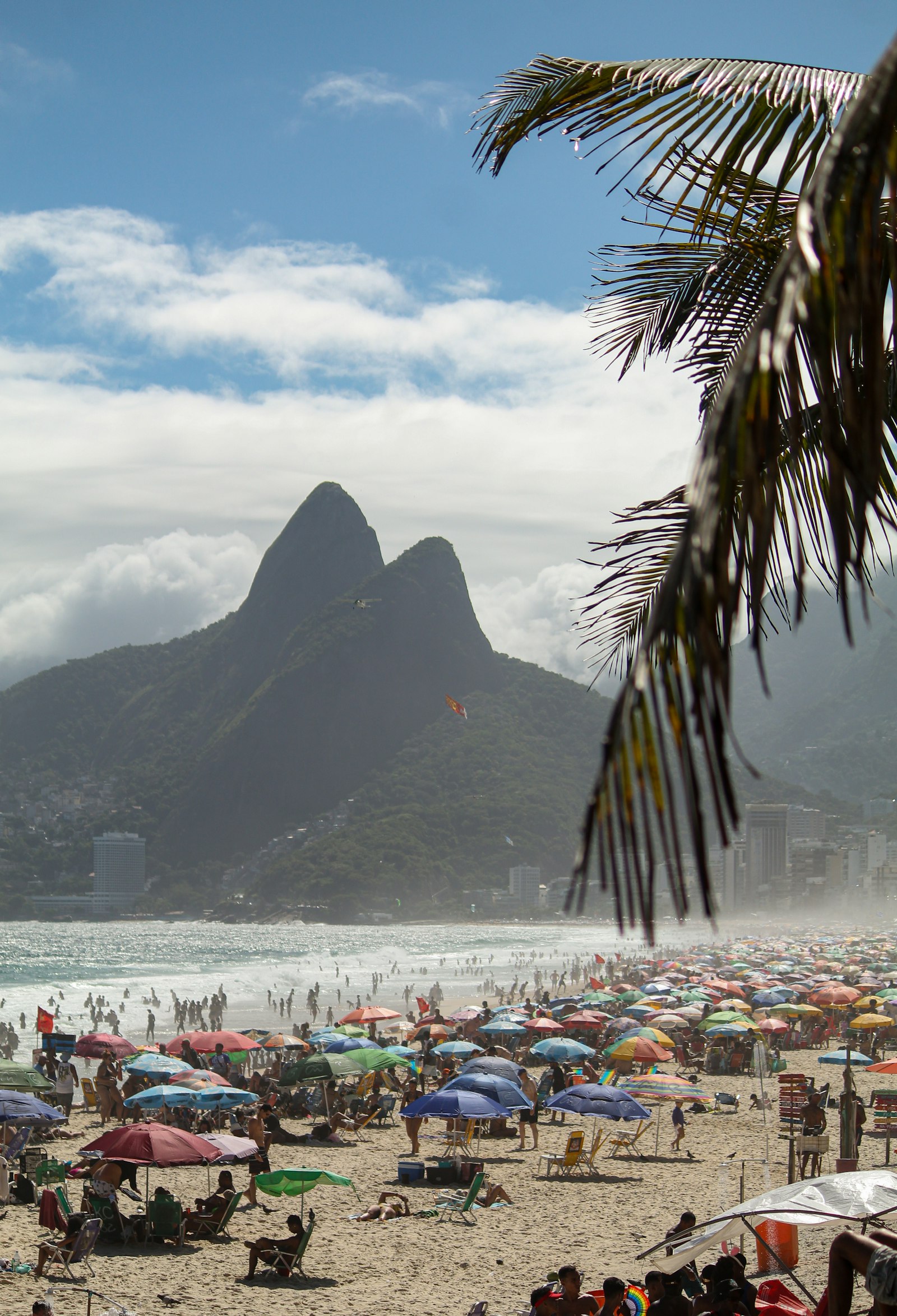
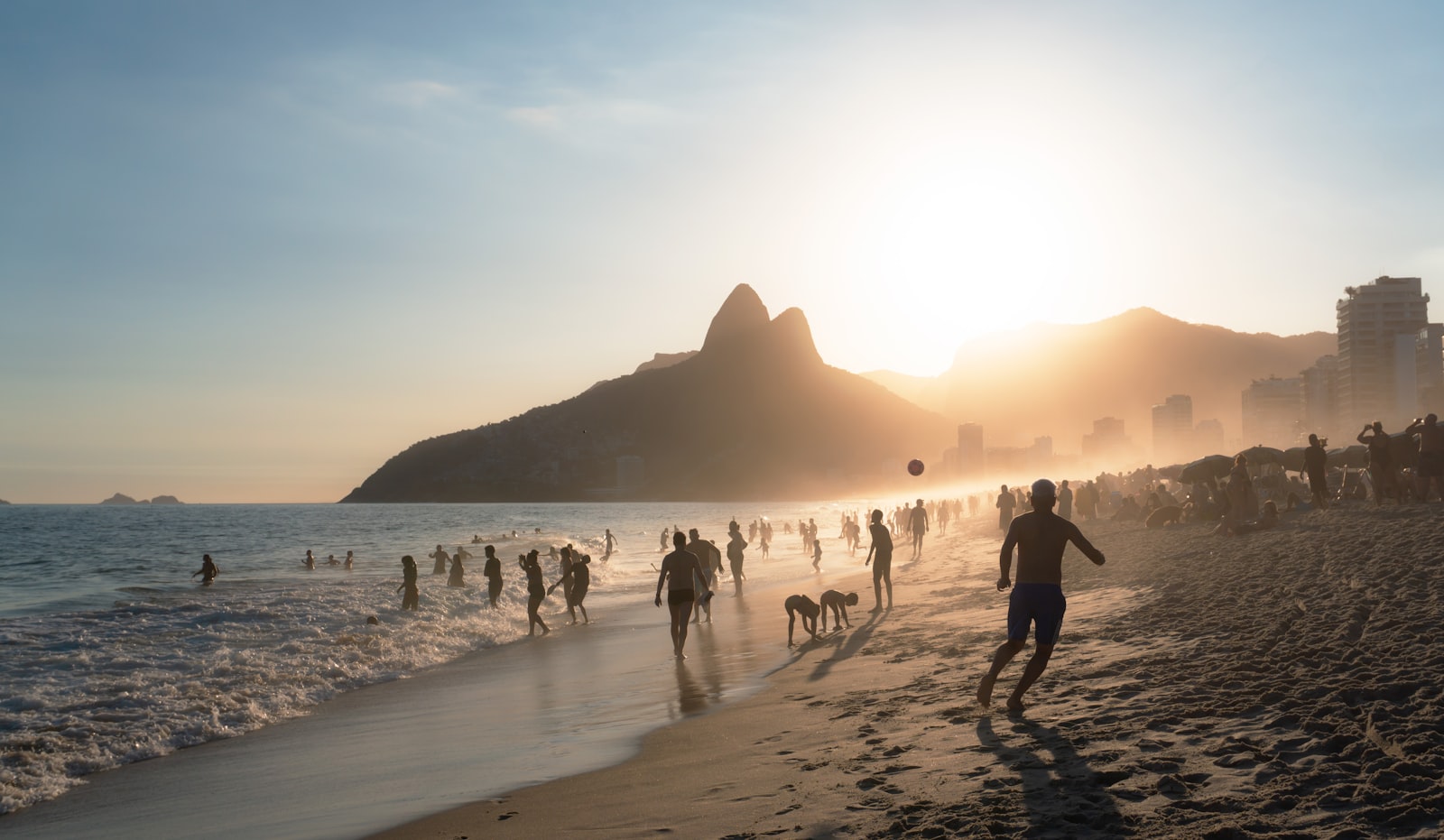
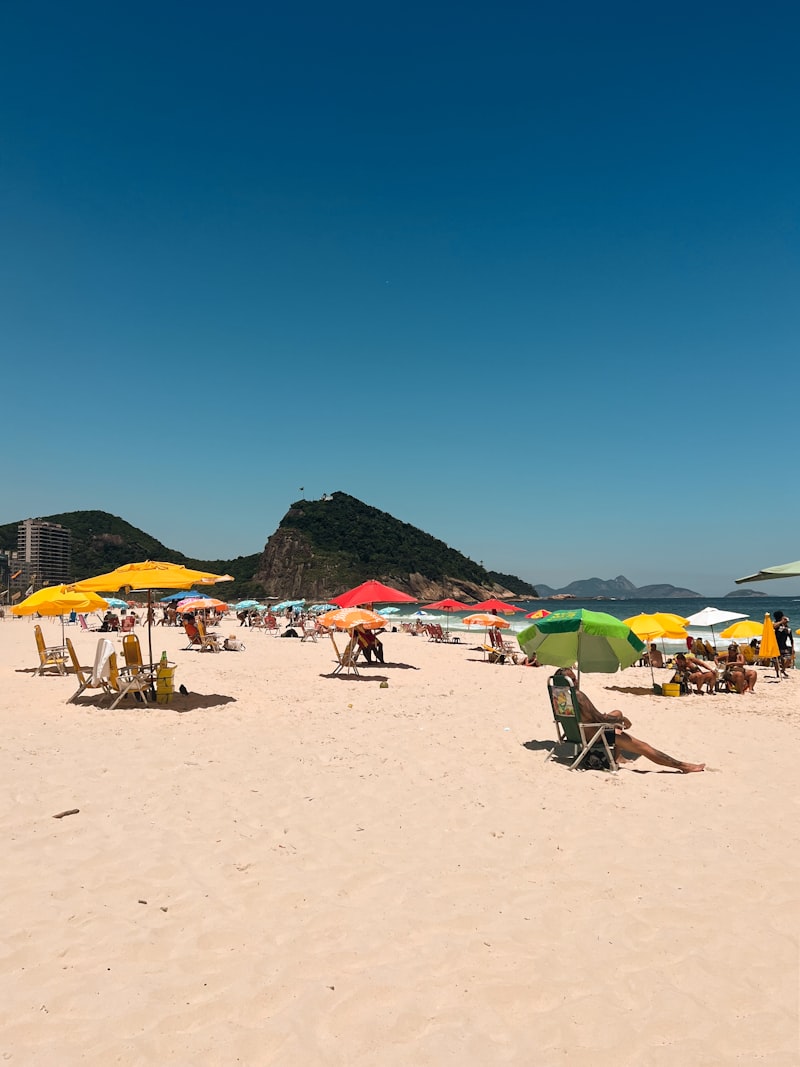
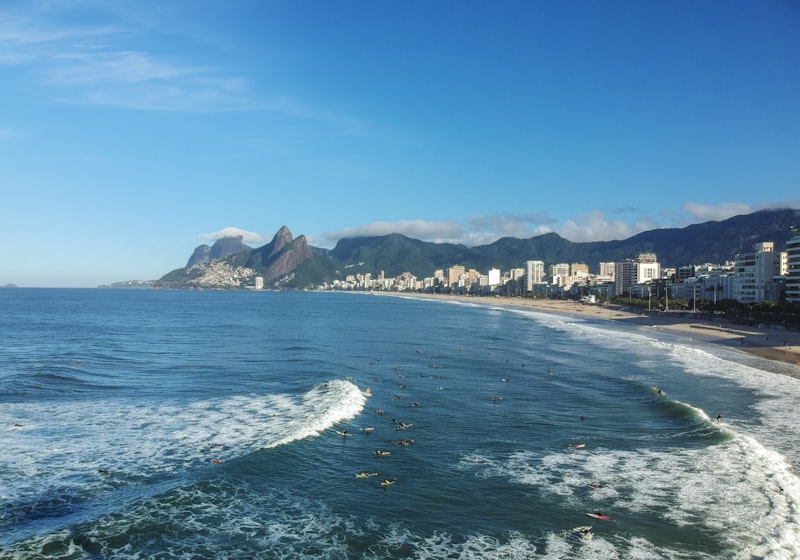
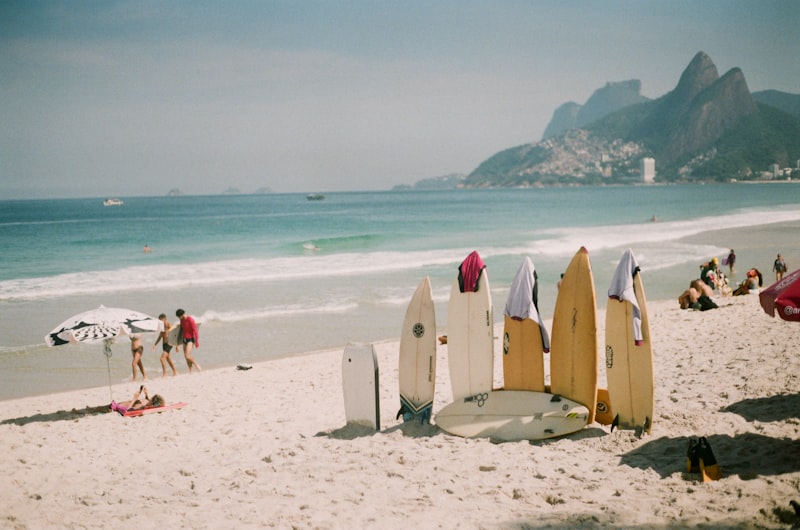
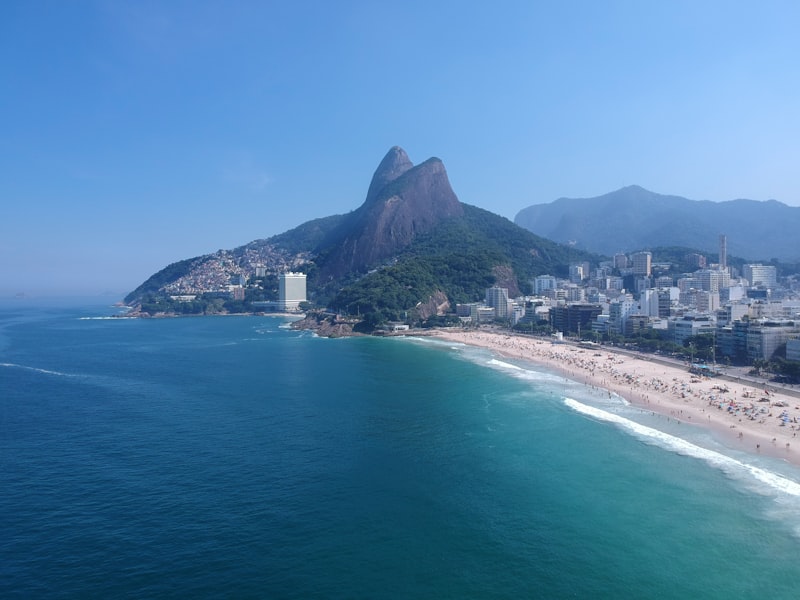
Leave Marina da Glória and Guanabara Bay opens like an amphitheatre — Sugarloaf to starboard, the Redeemer floating in the haze above. Round the point and run the full length of Copacabana and Ipanema from the waterline, where the beach umbrellas turn to confetti and Dois Irmãos stands guard over the far end. Anchor, swim, pour something cold, and let the city show off. It will. It always does.
From the Water
Destination · by The Queen’s Fleet
Guanabara Bay is one of the great natural harbours of the world — fifty kilometres long, thirty wide, with Sugarloaf standing at the entrance like a gatekeeper and the Serra dos Órgãos mountains visible on clear days sixty kilometres inland. Portuguese navigators in January 1502 mistook the bay's mouth for the mouth of a great river and named the month: Rio de Janeiro, River of January. The mistake produced a city, and the city produced a sailing culture of considerable intensity. From the Marina da Glória, a charter departs into what functions as a sheltered amphitheatre, with the Cristo visible on Corcovado above and Sugarloaf framing the exit to sea.
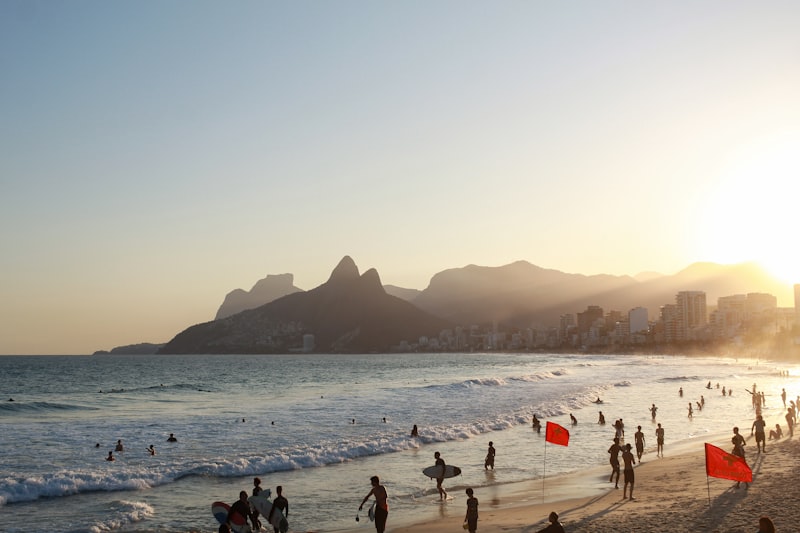
The charter experience in Rio works two environments. The inner bay — past the Ilha Fiscal (the neo-Gothic customs palace on its own islet) and toward the Ilha do Governador — is working harbour, busy and industrial at the margins. The charter routes favour the southern bay, where the wind funnels off Sugarloaf and the skyline arranges itself perfectly for an approaching boat: the Cristo appears over the ridge as you clear the Urca peninsula, which is the navigational landmark with theological implications. The open-sea route south around Sugarloaf and along the Zona Sul coast — Copacabana, Ipanema, Leblon — at half a kilometre to a kilometre offshore delivers the postcard the city has been publishing since 1956, at the scale it was designed to be seen.
The afternoon Vento Sul is the charter fleet's working breeze: it arrives reliably between noon and 2 p.m. from late October through March, runs twelve to eighteen knots, and allows a comfortable sail across the bay with the city as backdrop. Anchoring off Prainha or Recreio dos Bandeirantes — coves that become progressively less accessible as the coast road pushes west — closes the day with a swim in the South Atlantic. The carnival months (January through February) and the summer shoulder (October through November) are the recommended sailing windows before the heat peaks and the beach-to-ocean ratio shifts.
The Queen's Fleet concept translates directly to Rio's bay context: a protected inner harbour for introductory sailing, an exposed outer coast for those who want the full Atlantic experience, and a city that can only be fully understood from the water. JADA has operated San Diego Bay under this standard — private sailing, selected crew, no commercial overlay. The same principle applied to the Guanabara approach produces the same quality of experience in a setting that is, in its way, even more dramatically framed. The flagship sails from Harbor Island; Rio sails into it. Same ocean, same standard.
The City
The granite sentinel at the harbour mouth — cable cars crawling up its spine, boats wheeling at its feet.
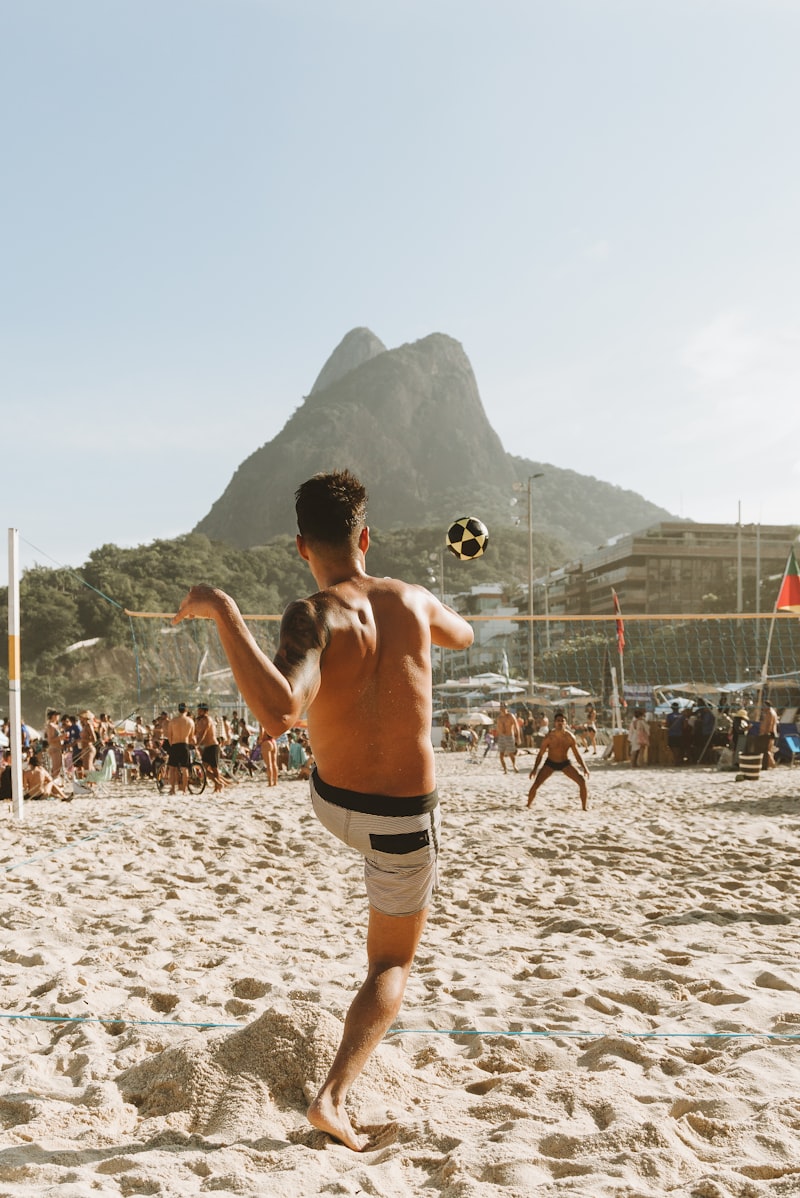
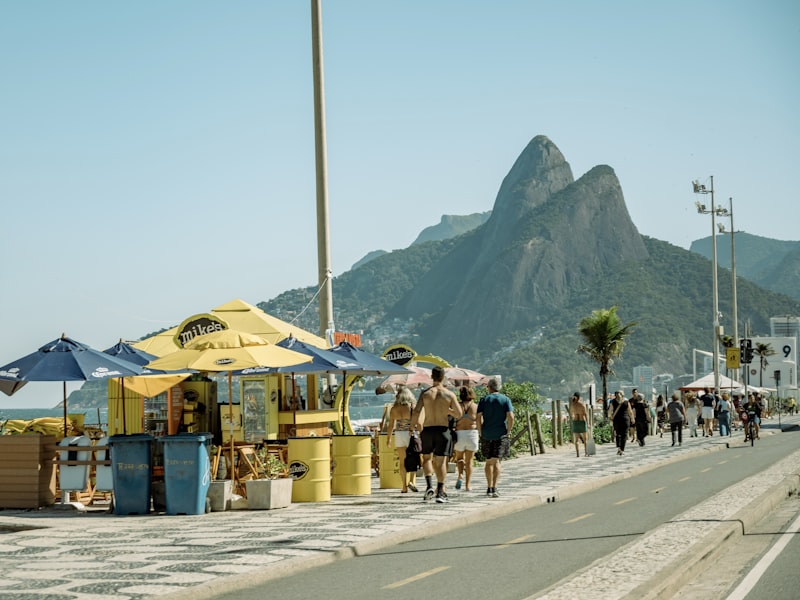
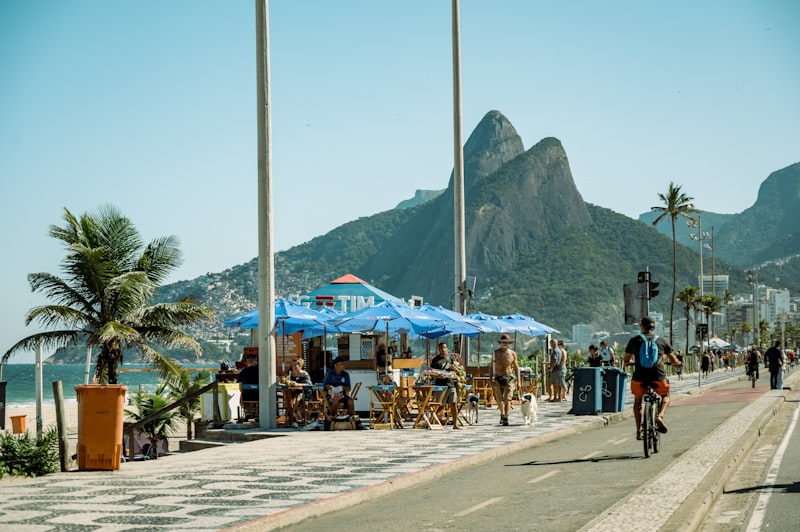
The world's most musical beach, bookended by the Dois Irmãos peaks and soundtracked since 1962.
Thirty metres of open arms on Corcovado, blessing the bay — and every boat in it — from 700 metres up.
Private crewed charters from $1,000 per hour — yours alone, fully provisioned, and unhurried from the moment you step aboard. Founding-list guests sail first and sail finest.
Join the Founding List